
Spring Hill, Florida · In Person & by Zoom
Keep the Weight Off When the Shots Stop
The medication turned your hunger down. It didn't change the reasons you ate when you weren't hungry, and it didn't change the version of you your mind still has on file. That's what I work on — while you're on it, and through stopping it.
I'm only able to take on about two people in three who come to me. The first conversation is where we both decide whether it's a fit.
Forty-five minutes, no charge. In person in Spring Hill, or by Zoom from wherever you are.
If any of this sounds like you
You're on a GLP-1 and it's working — and the thought of stopping frightens you.
Your insurance has dropped it, or you're paying a thousand dollars a month and can't keep doing that.
You've stopped once already and watched the weight come back, fast.
You've lost a lot, and somehow you still feel like the bigger person when you look in the mirror.
The hunger is quiet, but the evening eating hasn't gone anywhere. It's just smaller.
None of that is weakness. The medication did exactly what it was built to do. It was never built to do the rest.
Why the weight comes back when the shots stop
A GLP-1 changes one thing: how hungry you feel. It doesn't touch what the eating was for.
For most people who've struggled with weight for years, food has been doing a job — settling something, filling a gap, closing the day. The medication mutes the hunger, but the job is still there, waiting. The day the medication stops, hunger returns and finds every old pattern exactly where it left it.
That's the first reason. There's a second one almost nobody talks about.
The body blueprint
Your mind keeps a map of your body. In the Bosurgi Mind Fitness Method I call this the body blueprint — the body's own reference drawing: what you look like, what you weigh, where everything belongs. It is deeply protective, and it has many jobs. Among them, it's what restores your original weight after an illness has stripped it away, and what guides an injury back to its original state as it heals. The body doesn't repair itself at random — it repairs itself toward the map.
Now look at what that same faithful system does after rapid, medication-driven weight loss. The scale says one thing — and the blueprint still says the old you. As far as the map is concerned, the new body is a deviation to be corrected, exactly like the weight lost to an illness. That's why so many people who lose a lot of weight feel like they're living in someone else's body — and why the old weight keeps "wanting" to return. Appetite, habits and self-image all get pulled quietly back toward the version on file.
Standard hypnosis programs, including my own thirteen-session work, don't address this. The Companion does. Using CognitiveOS Hypnosis®, we help the mind update its blueprint to the body you're building now — so your own internal map is working to keep the new you, not restore the old one.
What actually gets built
Almost everything offered for weight works on behaviour. Eat this, not that. Track this. Resist that. Behaviour change is the thinnest layer of the mind, and it is the first thing to go under pressure — which is why it always needs willpower, and why willpower always runs out.
CognitiveOS Hypnosis® does something different. It builds mental structure. Over the sixteen sessions your mind is given a working operating system: you in command of it rather than run by it, emotional independence so that you no longer need other people's approval to feel safe, the release of Adult Emotional Dependency, practical mind management you keep for life, and the settling of old experiences that have been driving the present.
That matters here for a specific reason. Anxiety, fear and compulsion are what send most people to food when they are not hungry — and those are not eating problems. They are the visible end of something older. Clear their causes and the eating changes on its own, because the thing it was doing is no longer needed.
This is the difference between a programme that manages the eating and one that removes the reason for it. Structure holds when motivation does not — which is exactly what you need on the day the medication stops.
This isn't a general program with a session bolted on
The GLP-1 Companion was built from the ground up for people on these medications. Every session carries the full CognitiveOS Hypnosis® process — command of your own mind, emotional independence, the release of Adult Emotional Dependency, mind management, and the settling of old experiences — and works on the body blueprint at the same time. That integration is what makes the results stable, and it's why the program is sixteen sessions rather than thirteen.
Over thirty years and more than 6,000 people, my work has been about finding the specific causes underneath a behaviour and settling them — so the behaviour stops being needed. Here the aim is simple: by the day you take your last dose, the new patterns are already running on their own.
How the program runs
Sessions 1–12 — weekly, while you're on the medication
Appetite is quiet, so change is easiest. We work on what the food was for, rebuild the everyday patterns, and rewrite the blueprint.
Sessions 13–16 — every two weeks, through the taper and the first weeks off
The new patterns are tested in real life with the medication gone, and locked in. Twenty weeks in all.
Sixteen sessions is not a marketing number. Twelve build the change; four prove it holds without the shots. Shorter programs feel good and don't last.
What people say
50+ five-star reviews on Google & Yelp
These people came to me for different things. What they describe — being run by something instead of running it — is the same thing that sits underneath eating you can't control.
"Luca has been a massive influence in helping me take more control of my life, be more successful, and be happier. Working with him to manage my mind and thoughts instead of being managed by them has been instrumental in my growth, both professionally and personally."
Carter Manley · Soccer Player
"I struggled with anxiety, depression, and intimacy issues most of my life, and Luca's simple method rid me of these. I am forever grateful to him."
Chase Gasper · Student Athlete
"Even after the first sessions I felt as if a heavy load had been lifted off my back. So liberating."
Peter Opperman · Life Coach
Individual results; testimonials are real client experiences shared with permission and are not typical. None of these describe weight-loss outcomes. Hypnosis and Mind Fitness coaching are not a substitute for medical or psychological care.
What happens when we meet
You tell me where you are with the medication
Forty-five minutes, private. What you're on, how long, what your prescriber's plan is, and what's happened before.
I tell you what I think will happen when you stop
In plain words. Most people say it's the first explanation that has ever matched their experience.
We decide together
If the Companion is the right fit, I'll show you how it runs. If it isn't, I'll say so and point you somewhere better.
There's no hypnosis in that first meeting — it's a conversation.
Questions people ask
When should I start — before or after I stop the medication?
Before. Ideally with at least twelve weeks of medication still ahead of you, so the weekly work happens while hunger is quiet. If you've already stopped, call anyway — we'll adapt the sequence.
Does it work with compounded versions, or a different brand?
Yes. The program doesn't care which product you're on, branded or compounded, weekly or daily. It works on you, not the medication.
Will you tell me to stop the medication?
Never. That decision belongs to you and your prescriber. The Companion runs alongside their plan, and I'll ask you to keep them informed.
I've had bariatric surgery as well. Is that different?
It's common, and the blueprint work matters even more after surgery. Bring it up when we talk, and keep your surgical team in the loop — this works alongside their care, not instead of it.
Will I be unconscious, or lose control?
No. You're awake and aware throughout, you remember it, and you can stop at any point. It's closer to a focused conversation than anything you've seen on a stage.
Do I have to come to Spring Hill?
Only if you want to. My studio is at 5331 Commercial Way, Suite 204, easy for Brooksville, Weeki Wachee, Hudson and Port Richey. Everything also works by Zoom, FaceTime or plain telephone — anywhere in Florida, or anywhere in the world Zoom reaches — and results are no different.
What does it cost?
The first conversation costs nothing, and there's no card involved. After that, sessions are booked one at a time — the first runs ninety minutes to two hours, the rest an hour — and each unlocks its own guided meditation in your client portal. There's no contract and nothing to commit to up front; you continue for as long as it is working for you. We talk through what it costs, and what fits your situation, in that first conversation.
My clinic gave me a code. What do I do with it?
Mention it when you book or when we speak. It tells me who to thank.
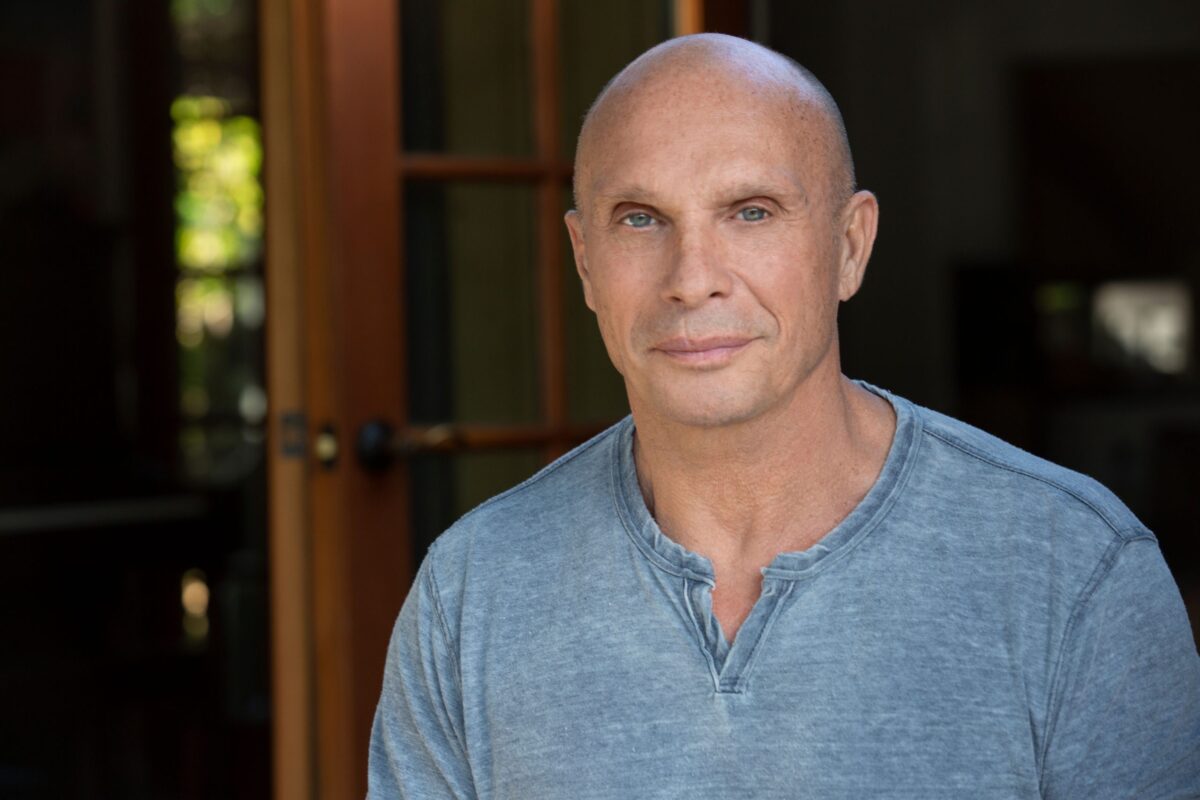
I'm Luca Bosurgi, DHyp, MBSCH, CH — a Master Hypnotist and Mind Fitness Coach practising in Spring Hill, Florida. I'm licensed by the Washington State Department of Health, verified by Psychology Today, and I've worked with more than 6,000 people over thirty years.




Find out whether this is your answer
Forty-five minutes, private, at no charge. You'll understand a great deal more about why the weight comes back — whether or not we ever work together.
Or call the office on (352) 675-2331
5331 Commercial Way, Suite 204, Spring Hill, FL 34606
Hypnosis and Mind Fitness coaching are not a substitute for medical, psychiatric or nutritional care, and nothing here is a promise of any particular result. Individual experiences differ. Continue any medication exactly as prescribed, and tell your prescriber about any complementary work you take on.