
Understanding Anxiety & Hypervigilance
Why Chronic Anxiety Won't Go Away—And How to Heal at the Root
⚠️ Anxiety won't go away with coping skills because Adult Emotional Dependency keeps your nervous system stuck in survival mode.
Why "Managing" Anxiety Doesn't Work
Understanding the hidden root cause of chronic anxiety and hypervigilance
⚠️ The Problem With Traditional Anxiety Treatment
Most anxiety treatment focuses on managing symptoms:
• Breathing exercises and grounding techniques
• Cognitive reframing and positive thinking
• Meditation and relaxation strategies
• Learning to "cope" with anxiety triggers
These can provide temporary relief, but if you still experience:
• Constant worry and racing thoughts
• Hypervigilance and feeling "on edge"
• Physical tension and panic attacks
• Fear of judgment, rejection, or abandonment
• Feeling unsafe even when nothing is wrong
...then traditional anxiety treatment is missing the root cause: Adult Emotional Dependency (AED).
🔍 The Missing Piece: Why Your Nervous System Stays Stuck
Chronic anxiety doesn't persist because you haven't learned enough coping skills.
It persists because your nervous system is still operating from Adult Emotional Dependency—a biological childhood program that keeps your nervous system dependent on external circumstances for safety.
When AED is active, your nervous system:
• Cannot generate safety from within (must seek it externally)
• Remains in constant hypervigilance (scanning for threats)
• Cannot regulate itself (stuck in survival mode)
• Generates anxiety as a survival response
🧠 Anxiety Is a Signal, Not the Problem
Anxiety itself is not your enemy—it's a protective signal.
Your nervous system generates anxiety when it perceives vulnerability or threat.
In healthy form, anxiety is brief and situational—it alerts you to genuine danger, then fades naturally.
💡 Think of Anxiety Like Physical Pain
Physical pain warns you about a physical issue that needs attention.
Similarly, anxiety is mental/emotional pain triggered by perceived danger.
But when your nervous system operates from Adult Emotional Dependency, it perceives danger constantly—even when you're physically safe.
What You'll Learn on This Page:
✓ Why chronic anxiety won't go away with coping skills
✓ How Adult Emotional Dependency keeps your nervous system in survival mode
✓ The connection between anxiety, trauma, and hypervigilance
✓ How to resolve anxiety at its source—not just manage it
What Keeps Chronic Anxiety Active
Outside of genuine danger, anxiety persists because of specific nervous system conditions
1. 🔗 Adult Emotional Dependency (The Primary Cause)
When emotional safety depends on external validation, approval, or protection, your nervous system remains in a state of vulnerability.
Because you cannot generate safety from within, your mind perceives others as potential threats to your emotional survival.
This creates constant fear of:
• Rejection and judgment (losing external validation)
• Abandonment and loss (losing external protection)
• Instability and uncertainty (losing external guidance)
• Making mistakes or being "wrong" (losing external approval)
This is why anxiety feels constant and generalized—your nervous system is stuck in childhood dependency mode, constantly scanning for external safety that can never be reliably found.
Learn more about Adult Emotional Dependency (AED).
2. 📌 Unresolved Trauma & Past Experiences
When your nervous system stores traumatic experiences as ongoing danger, your survival system stays activated—even in safe situations.
But here's the critical insight: trauma symptoms persist because Adult Emotional Dependency prevents your nervous system from processing and resolving traumatic memories.
When AED is active, your nervous system cannot feel safe enough to let go of the past—so anxiety stays alive long after the original event has passed.
3. 👁️ Hypervigilance & Constant Threat-Scanning
When your nervous system operates from AED, it must constantly scan for threats because it cannot generate safety internally.
This creates:
• Constant mental monitoring of others' reactions
• Overanalyzing situations for potential danger
• Feeling "on edge" or unable to relax
• Racing thoughts and rumination
Hypervigilance isn't a separate problem—it's a direct result of your nervous system operating from emotional dependency.
4. ⚡ Nervous System Dysregulation
When your nervous system cannot regulate itself internally, it remains stuck in fight-flight-freeze-fawn responses.
This is why breathing exercises and grounding techniques provide only temporary relief—they don't address the underlying dependency pattern that prevents nervous system regulation.
Is AED the Root Cause of Your Chronic Anxiety?
Take this 5-minute clinical assessment to identify if Adult Emotional Dependency is keeping your nervous system stuck in anxiety and hypervigilance.
What This Assessment Reveals:
Your personal AED score across 31 anxiety-related indicators
Whether dependency on external validation is fueling your anxiety
How the three dependency functions keep your nervous system dysregulated
Personalized next steps for nervous system healing
Takes 5 minutes. Based on 30+ years of anxiety and AED resolution work. Results are instant, confidential, and free.
Start Assessment
Discover if AED is at the root
Take the Free Assessment →No signup required • Instant results
Two Types: Reactive vs. Proactive Anxiety
Understanding how anxiety manifests when AED is active
⚡ Reactive Anxiety
This occurs in response to a perceived threat or trigger.
Your nervous system compares current circumstances with stored danger patterns (often from unresolved trauma).
Then it activates survival responses when it detects risk.
When AED is active, these danger patterns are often outdated or no longer relevant—but your nervous system can't let them go.
🛡️ Proactive Anxiety (The AED Pattern)
This stems from a generalized sense of vulnerability—the core of Adult Emotional Dependency.
When emotional self-reliance hasn't developed, your nervous system remains in childhood dependency mode.
This creates constant background anxiety—even in safe environments.
This is why you can feel anxious "for no reason"—your nervous system is stuck seeking external safety that it cannot generate internally.
Why Anxiety Drains Your Mental Energy
Understanding anxiety's massive impact on brainpower and nervous system resources
⚠️ Your Nervous System Prioritizes Survival Above Everything
When your survival system is active (which it constantly is when AED is present), a large portion of your mental resources is diverted toward:
• Scanning for threats and monitoring others' reactions
• Seeking external validation and protection
• Maintaining hypervigilance
• Managing anxiety symptoms
Consequently, far fewer resources remain for thinking, creativity, focus, performance, relationships, and presence.
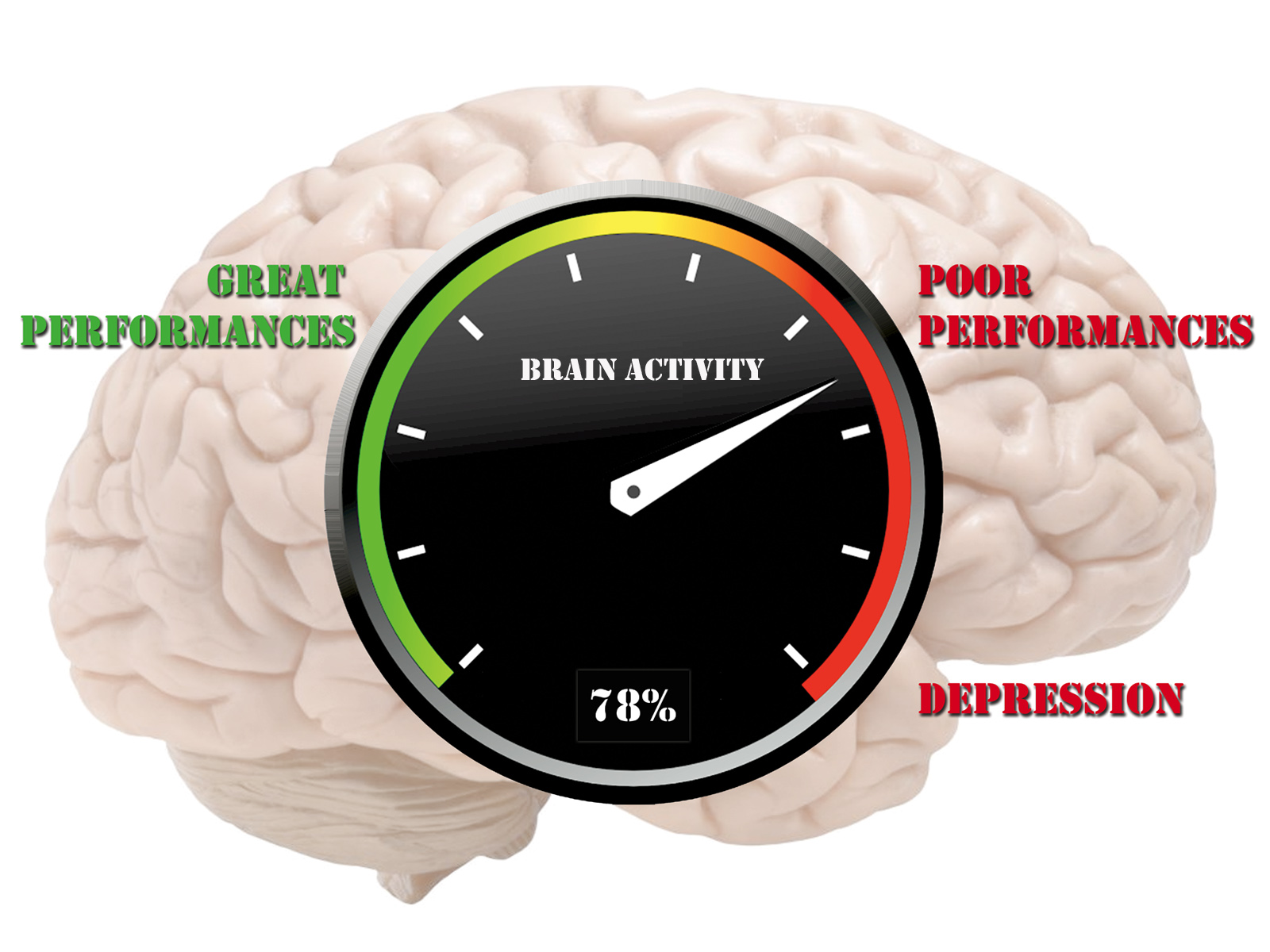
How anxiety and AED divert nervous system resources away from performance and presence
Common Effects of Chronic Anxiety & Nervous System Depletion
When anxiety consumes excessive nervous system energy, people often experience:
• Feeling overwhelmed or mentally crowded
• Procrastination and avoidance
• Low motivation or mental exhaustion
• Reduced performance and creativity
• Withdrawal or social discomfort
• Reduced confidence and self-trust
• Irritability or chronic tension
• People-pleasing and fear of saying no
These are by-products of anxiety and AED, not separate problems.
Learn more about how anxiety drains brainpower.
How Anxiety Resolves at the Root
True anxiety resolution requires addressing the nervous system conditions that keep it active
✗ Anxiety Does NOT Resolve Through:
• Suppression, distraction, or avoidance
• Temporary coping strategies (breathing, grounding)
• Positive thinking or cognitive reframing
• Managing symptoms forever
These provide temporary relief but don't address why your nervous system generates anxiety in the first place.
✓ Anxiety Resolves When You Heal the Root Cause
Anxiety resolves when the nervous system conditions that trigger it are removed.
Specifically:
✓ Resolve Adult Emotional Dependency (retrain nervous system to generate safety internally)
✓ Develop emotional self-reliance (end dependency on external validation)
✓ Process unresolved trauma (release outdated danger patterns)
✓ Build nervous system regulation (develop internal leadership)
When emotional self-reliance develops, your nervous system no longer needs to remain on alert—and anxiety naturally fades.
The Critical Difference
Managing anxiety: You learn coping skills to tolerate symptoms
Resolving anxiety: You address the root cause (AED) so your nervous system stops generating anxiety
The goal is not to suppress anxiety—the goal is to heal the nervous system conditions that keep it active.
Understanding Chronic Anxiety: A Summary
Chronic anxiety is not a random condition or a character flaw.
It is a signal produced by your nervous system when it's operating from Adult Emotional Dependency—constantly seeking external safety it cannot generate internally.
Coping skills provide temporary relief, but they don't address why your nervous system is stuck in survival mode.
When you resolve Adult Emotional Dependency and develop emotional self-reliance, your nervous system can finally regulate itself—and anxiety naturally quiets.
Ready to Resolve Anxiety at Its Source?
Book a free consultation to explore how resolving AED and developing emotional self-reliance can free you from chronic anxiety and hypervigilance.
📅 Book Your Free Consultation🌿 Learn More About Anxiety, Trauma & Emotional Freedom
These pages will help you understand how anxiety, AED, trauma, and nervous system healing work