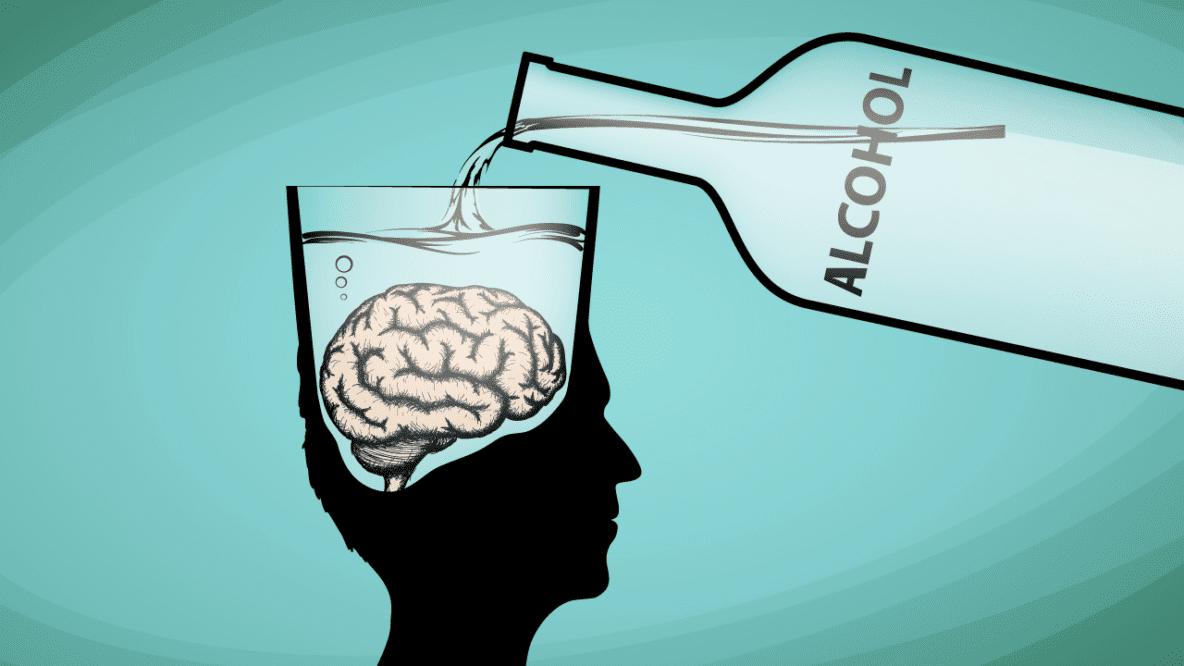
Our brains act as our onboard computers, controlling and managing both our bodies and minds. They perform billions of operations every minute — digestion, skin reproduction, immune function, plus all our thoughts, feelings, emotions, behavioral programming, and memory storage.
In addition to altering all brain functions, alcohol has dramatic negative long-term and short-term effects. Understanding how the brain works as hardware and the mind as software helps us grasp why alcohol is so damaging.
✦ ✦ ✦
🍷 The Truth About Alcohol
Alcohol — a seemingly innocent and ubiquitous presence in social gatherings and celebrations. It flows freely, enticing us with promises of relaxation, confidence, and even euphoria.
But behind the shimmering facade lies a dark truth: alcohol is a poison that wreaks havoc on both our brains and bodies.
✦ ✦ ✦
🧠 How Alcohol Affects the Brain
When alcohol is ingested, it quickly enters the bloodstream and makes its way to the brain. Once there, it begins to alter the normal functioning of this intricate organ.
Immediate Effects
→ Impaired judgment and decision-making — explains risky behaviors
→ Disrupted neurotransmitter communication — affects signaling between brain cells
→ Slowed reactions and decreased coordination — motor skills decline
→ Altered mood and emotional regulation — why people get “emotional” when drunk
Long-Term Brain Damage
Chronic heavy drinking causes even more severe damage:
→ Brain shrinkage — especially the frontal cortex (reasoning and impulse control)
→ Memory loss — difficulty learning new information
→ Chemical imbalances — disrupted dopamine and serotonin regulation
→ Mental health issues — increased risk of depression and anxiety
→ Wernicke-Korsakoff syndrome — alcoholic dementia from thiamine deficiency
→ Increased neurological disease risk — earlier onset of Alzheimer’s or Parkinson’s
“These damaging effects may not be immediately apparent
but accumulate over time with continued heavy drinking.”
✦ ✦ ✦
💔 How Alcohol Affects the Body
Alcohol consumption doesn’t just impact the brain — it takes a toll on the entire body. When alcohol enters the bloodstream, it quickly spreads throughout, affecting various bodily functions.
🫀 Cardiovascular System: Raises blood pressure, increases heart rate, strains the heart muscle. Increases risk of hypertension, arrhythmias, and heart failure.
🫁 Liver: Works hard to break down ethanol. Heavy drinking causes inflammation, fatty liver disease, and cirrhosis.
🦠 Immune System: Weakens white blood cell function, making you more susceptible to infections and slowing recovery from illness.
🍽️ Digestive System: Irritates stomach lining, increases acid production (gastritis, ulcers), impairs nutrient absorption leading to malnutrition.
💧 Hydration: Alcohol is a diuretic that increases urine production, causing dehydration, fatigue, dizziness, and dry mouth.
🌙 Sleep: While initially sedating, alcohol disrupts restorative REM sleep, leading to poor quality rest.
✨ Skin: Causes facial redness, broken capillaries, and premature aging due to decreased collagen production.
✦ ✦ ✦
⚠️ Risks of Alcohol Dependency and Addiction
Alcohol dependency and addiction are serious risks associated with excessive consumption. When someone becomes dependent, their body develops a physical and psychological reliance on it.
Many people use alcohol to cope with underlying emotional issues — often rooted in Adult Emotional Dependency (AED), the hidden cause of anxiety and fear. Without addressing the root cause, people remain trapped in a cycle of self-medication.
Consequences of alcohol addiction include:
→ Damaged relationships and social isolation
→ Declining professional performance or job loss
→ Financial problems
→ Legal issues
→ Worsening physical and mental health
✦ ✦ ✦
💡 Strategies for Reducing Alcohol Consumption
If you feel that your alcohol consumption is becoming problematic, there are several strategies you can implement:
1. Set clear goals — Determine how much you’re comfortable drinking each week and work towards gradually decreasing that amount.
2. Identify triggers — Recognize situations that tempt excessive drinking (social events, stress, loneliness) and find healthier alternatives like exercise or meditation.
3. Build a support system — Surround yourself with friends and family who understand your goals. Consider joining support groups like Alcoholics Anonymous.
4. Create new habits — Replace drinking activities with alternative hobbies — painting, music, sports — that bring fulfillment without alcohol.
5. Seek professional help — If self-help strategies prove unsuccessful, healthcare providers specialized in addiction treatment can provide personalized guidance.
Remember that everyone’s journey towards reducing alcohol intake looks different; what works for one person may not work for another.
✦ ✦ ✦
🌟 Conclusion: The Importance of Moderation
Alcohol consumption can have significant negative effects on both the brain and the body. From impairing cognitive function to damaging vital organs, it is evident that alcohol is not only a social lubricant but also a potent poison.
To mitigate these damages, it is crucial to practice moderation. Limiting intake and being aware of one’s limits can help reduce the risks. Additionally, seeking professional help if struggling with dependency is essential.
Your brain and body are precious assets that deserve care and respect. (For similar information about cannabis, see the brain damage produced by marijuana.)
“Next time you reach for another drink,
think about the impact it may have on your brain and body.
Choose wisely. Be mindful of your health.
Taking care of yourself should always be a top priority.”
✦ ✦ ✦
Break Free From Addiction
Address the Root Cause
Alcohol dependency often masks deeper emotional issues. Work with Luca to discover and heal the underlying causes.
✦ ✦ ✦
📚 Continue Your Journey
→ Brain Is Hardware, Mind Is Software — Understanding how your brain works
→ The Brain Damage Produced by Marijuana — Similar effects of cannabis
→ AED: Hidden Cause of Anxiety and Fear — Why people self-medicate
🔗 Helpful Resources
🧠 Adult Emotional Dependency (AED)
💪 Emotional Self-Reliance
⚡ Brainpower & Mental Performance
😰 The Nature of Anxiety
🩹 Trauma & PTSD
🧘 Guided Meditations
🎯 Captain You® 50-Day Program
👤 Working With Luca
With love,
Luca Bosurgi
DHyp, MBSCH · Mind Fitness & CognitiveOS Hypnosis®
Could Adult Emotional Dependency Be Affecting You?
If this article resonated with you, take this 5-minute clinical assessment to understand whether Adult Emotional Dependency is at the root of what you are experiencing.
31 Clinical Indicators
Comprehensive assessment
Instant Results
Know immediately
100% Confidential
Your privacy protected
Based on 30+ years of clinical research • No signup required